
Considering a Career Change Into the Psychedelic Field? Here’s What to Know First

Over the past few years, I’ve noticed more and more people asking the same question: How do I work in the psychedelic field?
Sometimes the question comes from therapists or clinicians who have been following the research and feel curious about where the field is going. Other times it comes from people who have had a meaningful personal experience with psychedelics and feel a pull toward supporting others in similar journeys.
And it makes sense. With growing research on psychedelic-assisted therapy and regulatory developments in places like Oregon and Colorado, the idea of working in this space is becoming more visible—and more possible.
At the same time, some psychedelic-adjacent treatments already exist within the current medical system. Ketamine-assisted psychotherapy, for example, is legally offered in clinics across the United States under medical supervision, creating early professional pathways for therapists, physicians, and integration specialists interested in this emerging field.
But the reality is that the psychedelic field is still new, still evolving, and often a bit misunderstood. If you’re thinking about moving your career in this direction, there are a few things that can be helpful to understand early on.
The psychedelic field is bigger than most people think
When people first start exploring the idea of working in the psychedelic field, they often imagine one role: becoming a facilitator or guide.
And it’s easy to see why. Facilitation is one of the most visible roles in this space. It’s the person sitting with participants during an experience, helping create a safe container and supporting the process before, during, and after the journey.
But the psychedelic ecosystem is actually much broader than that.
Some people contribute as therapists or clinicians involved in psychedelic-assisted therapy research. Others focus on integration coaching, helping individuals make sense of their experiences and translate insights into lasting change. There are also researchers, educators, program developers, and people working in policy and advocacy as new regulatory frameworks emerge in places like Oregon and Colorado.
All of these roles play an important part in the development of the field.
At the same time, facilitation remains one of the core ways people directly support psychedelic experiences. As legal access expands and more people seek these kinds of experiences in structured settings, the need for well-trained facilitators continues to grow.
In other words, the field needs many different kinds of contributions—but the role of the facilitator sits at the heart of the experience itself.
A personal experience might open the door—but it’s not the whole path
For many people, the interest begins with a personal experience.
Something meaningful happens. Perspectives shift. Old patterns make sense in new ways. And naturally, a question arises: Could I help others through something like this?
That curiosity can be a powerful starting point. But professional work in this area requires much more than personal insight.
Supporting others in altered states involves understanding trauma, safety, psychological processes, and ethical boundaries. It requires training in preparation and integration, as well as a deep respect for the responsibility that comes with holding space for vulnerable experiences.
In other words, the personal journey can inspire the work—but it’s not the same thing as being prepared for it.
The field is still being built
Another important reality is that the psychedelic profession doesn’t yet have a single, clear career path.
Regulations differ depending on where you are. Training programs are still developing. New research is coming out every year.
For example, states like Oregon and Colorado have created regulated frameworks for psychedelic facilitation, but those systems are still evolving. At the same time, clinical research continues to expand around substances like psilocybin.
Researchers are also studying MDMA-assisted therapy for PTSD, which has gone through advanced clinical trials and may eventually move through future FDA regulatory review, alongside other psychedelic therapies currently being studied.
Because of this, anyone entering the field should expect ongoing learning and adaptation. The landscape today may look different a few years from now.
Training matters
One thing that most experienced practitioners agree on is that responsible psychedelic work requires education and training.
What that training looks like depends on the role someone chooses to pursue. For some people, it may involve clinical degrees or psychotherapy training. For others, it may include facilitator programs, study of psychedelic pharmacology, somatic approaches, or trauma-informed care.
Ethics, cultural awareness, and harm reduction are also essential parts of responsible practice.
The point isn’t just to learn techniques—it’s to develop the maturity and awareness needed to work safely with powerful experiences.
It helps to pause and reflect
Before making a big career shift, it can be worth taking some time to reflect.
What is drawing you to this work?
Are you interested in clinical practice, education, research, or community support? What skills do you already bring, and what would you need to learn?
Many people explore these questions through integration work, mentorship, or educational programs before committing to a specific path.
And sometimes that reflection reveals something surprising: that contributing to the psychedelic field doesn’t always look the way we first imagined.
The field is growing—but it needs thoughtful people
Interest in psychedelic careers is expanding quickly alongside research and policy changes. But the field doesn’t just need enthusiasm—it needs people who are thoughtful, well-trained, and committed to ethical practice.
For those who feel genuinely called to this work, taking the time to explore, learn, and prepare can make all the difference.
After all, the psychedelic field isn’t just a new industry. For many people, it’s part of a larger cultural shift around healing, consciousness, and how we support one another through deep transformation.
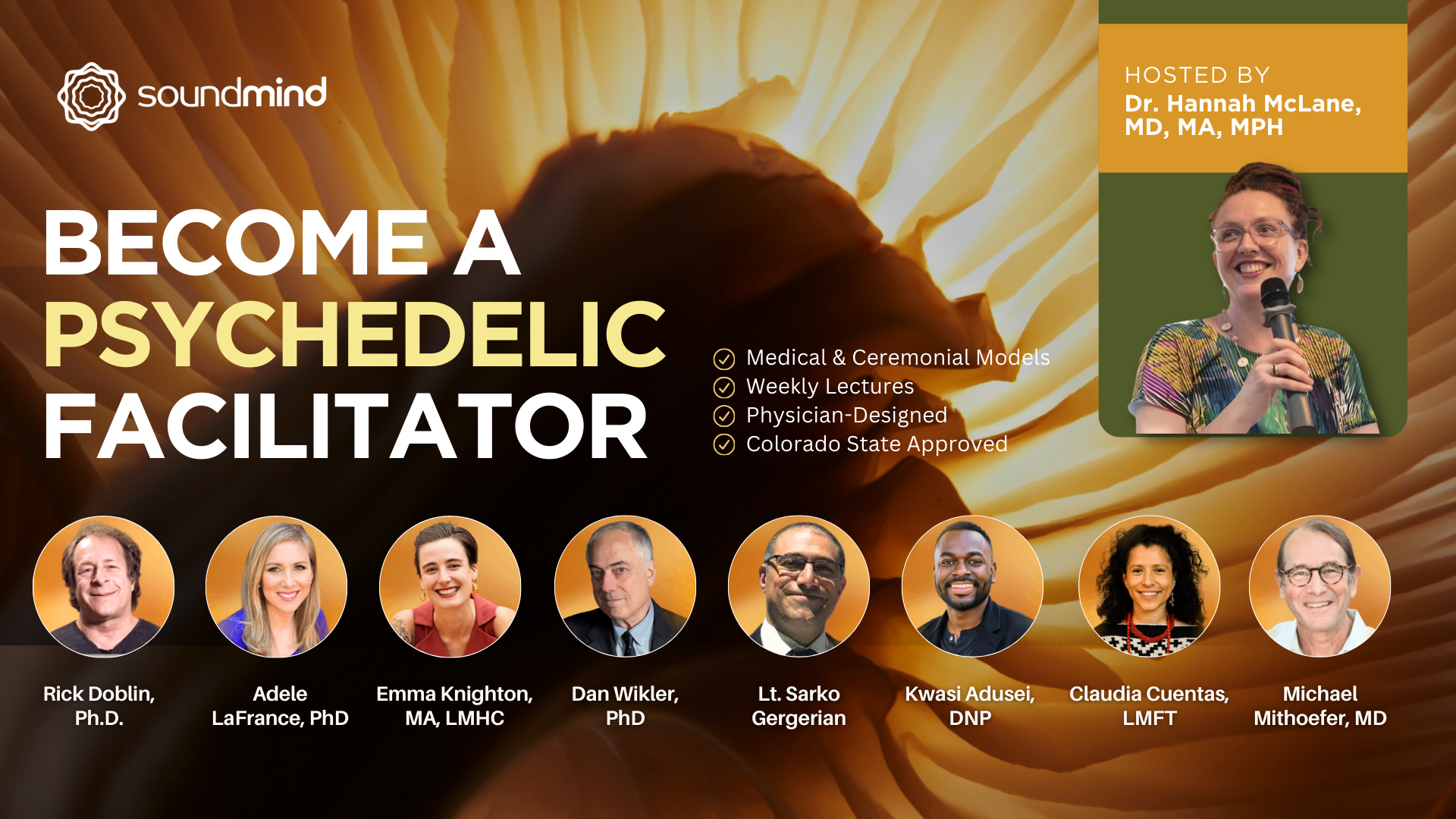
Exploring training in the psychedelic field
For those considering a career change into the psychedelic field, training can be an important next step.
At SoundMind Institute, our facilitator training programs are designed to prepare practitioners to support psychedelic experiences with care, responsibility, and integrity. Our curriculum integrates therapeutic frameworks, cultural perspectives, and practical skills for preparation, facilitation, and integration.
If you’re curious about this path, you can learn more about our training program below.